
레버리지 ETF 투자자의 치명적 적, 변동성 잠식(Volatility Decay) 계산 및 대응 가이드
당신이 몰랐던 1%의 함정: 음의 복리란 무엇인가
Explain the mathematical proof of volatility decay using a 10% drop and 10% rise scenario for 1x and 3x leverage. Include a table showing the difference in final value.
3배 레버리지 ETF의 구조적 한계와 비용
Analyze internal costs including swap fees, expense ratios, and daily rebalancing costs for TQQQ or SOXL.
하락장에서 무지성 홀딩이 위험한 이유
Discuss the 'Drawdown' recovery math. How a 50% loss requires a 100% gain to break even, and how 3x leverage amplifies this difficulty.

실전 대응 1단계: 델타 리밸런싱 전략
Detailed guide on setting a 5% or 10% threshold for rebalancing to maintain the target exposure ratio.
현금 비중 20%가 만드는 마법의 방어막
Backtesting data showing how a 80:20 (Leverage:Cash) portfolio outperforms 100% leverage during high volatility periods.
이동평균선을 활용한 추세 추종 진입법
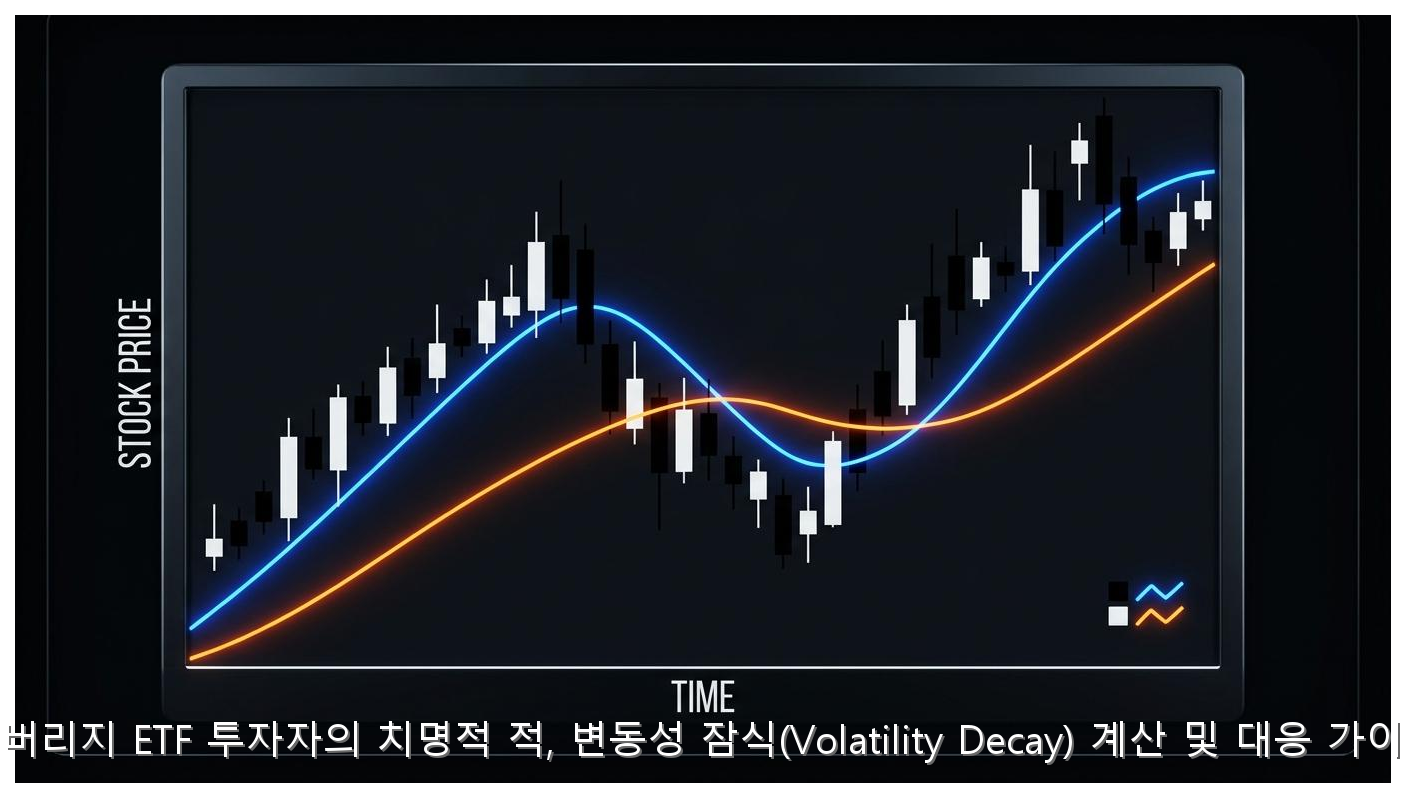
Technical analysis guide using 200-day moving average (MA) to filter out high-decay sideways markets.
헷지 수단: 커버드콜과 국채 결합 전략
Explanation of pairing TQQQ with long-term treasury bonds (TMF) or covered call ETFs to mitigate drawdowns.

장기 생존을 위한 최종 체크리스트
Final summary list: 1. Set max loss limit, 2. Automatic rebalancing schedule, 3. Volatility index monitoring.
⚖️ 투자 책임 고지
본 리포트는 데이터 분석 기반의 정보 제공을 목적으로 하며, 특정 종목에 대한 매수/매도 권유가 아닙니다. 모든 투자의 결과는 투자자 본인에게 귀속됩니다.© 2026 Richline Economy. All rights reserved.



0 댓글